Sprache
 +86-15268315011


 Englisch
 中文简体
中文简体 Spanisch
 Russisch
Was macht hydriertes Styrol-Butadien-Blockcopolymer (SEBS) zu einem bevorzugten thermoplastischen Elastomer?
Was ist hydriertes Styrol-Butadien-Blockcopolymer (SEBS)?
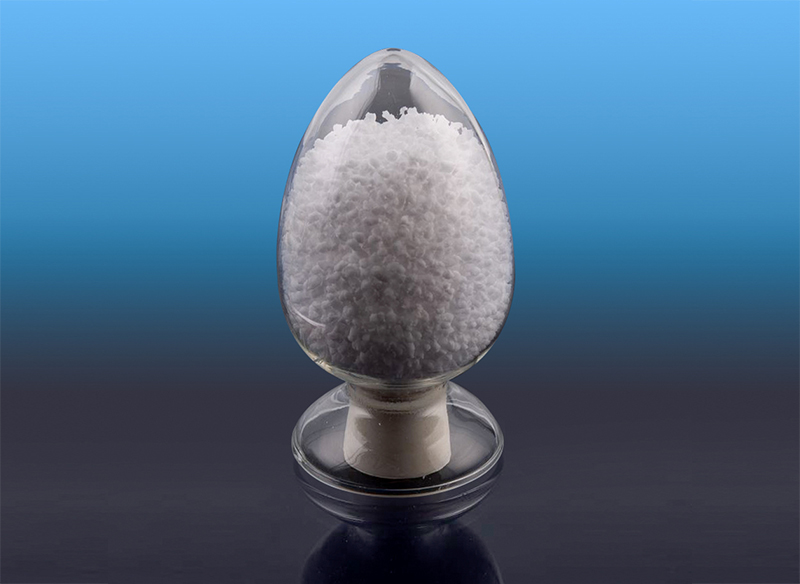
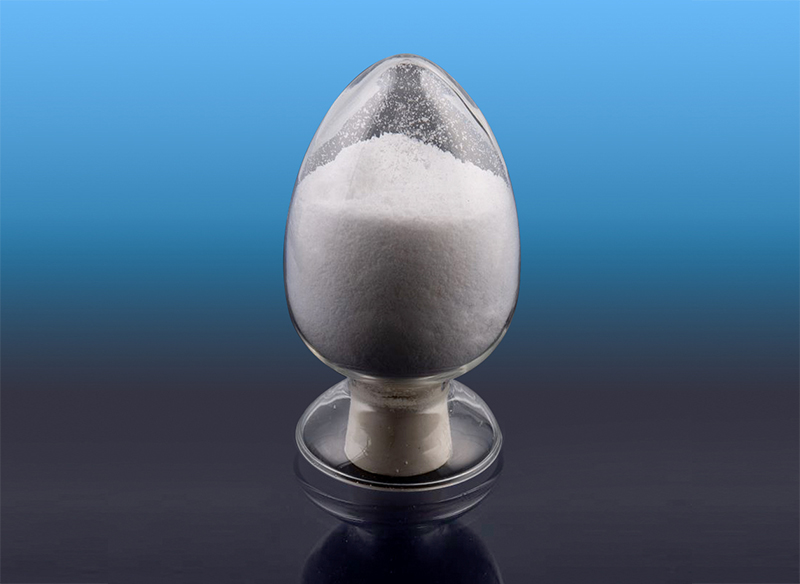
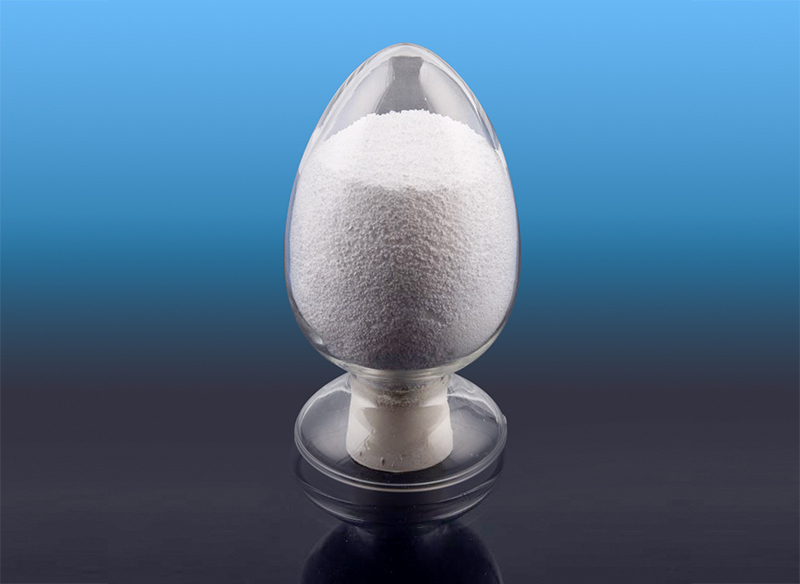
Hydriertes Styrol-Butadien-Blockcopolymer , allgemein bekannt unter der Abkürzung SEBS, ist ein thermoplastisches Hochleistungselastomer (TPE), das durch selektive Hydrierung von Styrol-Butadien-Styrol (SBS)-Blockcopolymeren hergestellt wird. Der Hydrierungsprozess sättigt die im Polybutadien-Mittelblock des SBS-Vorläufers vorhandenen Kohlenstoff-Kohlenstoff-Doppelbindungen und wandelt ihn in ein Polyethylen-Butylen (EB)-Segment um. Die resultierende Dreiblockstruktur – Endblöcke aus Polystyrol (PS), die einen gesättigten Polyethylen-Butylen-Mittelblock flankieren – ist die molekulare Architektur, die SEBS seine charakteristische Kombination aus gummiartiger Elastizität, thermoplastischer Verarbeitbarkeit und hervorragender Umweltbeständigkeit verleiht.
Im Gegensatz zu herkömmlichen vulkanisierten Kautschuken erfordert SEBS keine chemische Vernetzung, um seine elastischen Eigenschaften zu erreichen. Stattdessen aggregieren die Polystyrol-Endblöcke zu harten, glasartigen Domänen, die bei Betriebstemperaturen als physikalische Vernetzungen fungieren, während der weiche Polyethylen-Butylen-Mittelblock die für Gummi charakteristische Flexibilität und elastische Erholung bietet. Da diese physikalischen Vernetzungen thermisch reversibel sind und sich auflösen, wenn das Material über die Glasübergangstemperatur der Polystyroldomänen erhitzt wird, kann SEBS wiederholt mit Standard-Thermoplastgeräten wie Spritzgussmaschinen, Extrudern und Blasformsystemen verarbeitet werden und beim Abkühlen wieder seine gummiartigen Eigenschaften annehmen. Diese Kombination aus Verarbeitbarkeit und Leistung hat SEBS zu einem der vielseitigsten und am weitesten spezifizierten Materialien auf dem globalen Markt für thermoplastische Elastomere gemacht.
Der Hydrierungsprozess und seine Auswirkung auf Materialeigenschaften
Die Umwandlung von SBS zu SEBS durch Hydrierung ist ein entscheidender Schritt, der das Leistungsprofil des Materials grundlegend verändert. Im SBS-Vorläufer enthält der Polybutadien-Mittelblock zahlreiche ungesättigte Kohlenstoff-Kohlenstoff-Doppelbindungen (C=C), die chemisch reaktive Stellen sind – anfällig für Oxidation durch Luftsauerstoff, Abbau durch ultraviolette Strahlung und Angriff durch Ozon. Diese Schwachstellen beschränken SBS auf Innenanwendungen und Anwendungen mit kurzer Lebensdauer, bei denen die Umweltbelastung minimal ist.
Die Hydrierung wird in einem katalytischen Reaktor unter erhöhtem Druck Wasserstoff durchgeführt, typischerweise unter Verwendung metallorganischer Katalysatoren auf Basis von Nickel, Kobalt oder Titan. Wasserstoffmoleküle addieren sich an die Doppelbindungen des Polybutadienblocks und wandeln diese in gesättigte Kohlenstoff-Kohlenstoff-Einfachbindungen um. Der bei kommerziellen SEBS-Qualitäten erreichte Hydrierungsgrad liegt bei über 98 %, was bedeutet, dass praktisch die gesamte reaktive Ungesättigtheit im Mittelblock eliminiert wird. Diese nahezu vollständige Sättigung sorgt für die deutlich verbesserte Beständigkeit von SEBS gegenüber Oxidation, UV-Strahlung, Ozon und thermischer Alterung im Vergleich zu seinem SBS-Vorläufer.
Der Hydrierungsprozess verändert auch die Kristallinität und Kettenmobilität des Mittelblocks und erhöht so seinen Beitrag zur elastischen Erholung und Tieftemperaturflexibilität des Materials. Die durch Hydrierung hergestellte Ethylen-Butylen-Copolymerstruktur hat eine niedrigere Glasübergangstemperatur als das ursprüngliche Polybutadien und behält ihr gummiartiges Verhalten bei Temperaturen deutlich unter 0 °C bei – ein wichtiger Vorteil bei Außen- und Automobilanwendungen, die über große Temperaturbereiche zuverlässig funktionieren müssen.
Wichtige physikalische und chemische Eigenschaften von SEBS
SEBS weist ein Eigenschaftsprofil auf, das sich sowohl von herkömmlichen vulkanisierten Kautschuken als auch von anderen thermoplastischen Elastomerfamilien unterscheidet. Die Merkmale sind für die breite Akzeptanz in anspruchsvollen Anwendungsbereichen verantwortlich:
- Hervorragende UV- und Ozonbeständigkeit: Der vollständige Mittelblock von SEBS macht es von Natur aus beständig gegen UV-induzierte Kettenspaltung und Ozonrissbildung – Ausfallarten, die bei ungesättigten Kautschuken wie Naturkautschuk, SBS und EPDM ohne Stabilisatoren zu einem schnellen Abbau führen. SEBS-basierte Verbindungen können so formuliert werden, dass sie längere Bewitterungstests ohne nennenswerten Verlust der mechanischen Eigenschaften bestehen.
- Großer Betriebstemperaturbereich: SEBS behält nützliche mechanische Eigenschaften von etwa -60 °C bis 150 °C bei und eignet sich daher für Anwendungen, die extremer Kälte oder anhaltend hohen Temperaturen ausgesetzt sind. Dieser Bereich übertrifft den von SBS deutlich, das bei Temperaturen über 60 °C zu erweichen beginnt und seine elastische Rückstellung verliert.
- Hohe elastische Erholung: SEBS weist eine gummiartige elastische Erholung auf und kehrt nach der Verformung mit minimaler bleibender Verformung in seine ursprünglichen Abmessungen zurück. Diese Eigenschaft ist bei Dichtungs-, Greif- und Polsteranwendungen von entscheidender Bedeutung, bei denen die Dimensionserholung nach Kompression oder Dehnung eine funktionelle Anforderung ist.
- Chemische Beständigkeit: Die hydrierte Struktur von SEBS bietet eine gute Beständigkeit gegenüber verdünnten Säuren, Basen, Alkoholen und wässrigen Lösungen. Während SEBS durch aliphatische und aromatische Kohlenwasserstofflösungsmittel gequollen wird – eine Einschränkung bei Kraftstoffsystemanwendungen – funktioniert es gut bei Kontakt mit wässrigen und leicht chemischen Umgebungen, die für medizinische Anwendungen, Lebensmittelkontakt und Körperpflegeanwendungen typisch sind.
- Transparenz und Fährbarkeit: Ungefüllte SEBS-Typen sind von Natur aus transparent bis durchscheinend und weisen eine hervorragende Lichtdurchlässigkeit auf. Diese optische Klarheit ermöglicht die Pigmentierung des Materials in jeder beliebigen Farbe mit hoher Farbgenauigkeit und macht es für Anwendungen geeignet, die eine visuelle Inspektion des Inhalts erfordern – wie etwa medizinische Schläuche, Versiegelungen von Lebensmittelverpackungen und Griffe von Konsumgütern.
- Geringe Dichte: SEBS hat eine Dichte von etwa 0,89 bis 0,91 g/cm³ und ist damit deutlich niedriger als die meisten gefüllten Kautschuke und technischen Kunststoffe. Dieser Gewichtsvorteil ist in Automobil- und Unterhaltungselektronikanwendungen wertvoll, bei denen Leichtbau ein Designziel ist.
- Recyclingfähigkeit: Als thermoplastisches Elastomer kann SEBS ohne nennenswerte Qualitätsverluste der Eigenschaften wieder eingeschmolzen und wiederverarbeitet werden, wodurch Abfall und Altmaterial wieder in den Produktionsprozess zurückgeführt werden können – ein Nachhaltigkeitsvorteil gegenüber duroplastischen Kautschuken, die nach der Vulkanisation nicht wiederverarbeitet werden können.
SEBS im Vergleich zu anderen thermoplastischen Elastomeren
Der Markt für thermoplastische Elastomere umfasst mehrere unterschiedliche Materialfamilien, jede mit ihrem eigenen Eigenschaftsprofil und ihren eigenen Anwendungsstärken. Wenn man versteht, wo SEBS im Vergleich zu diesen Alternativen steht, wird klar, warum es für anspruchsvolle Anwendungen spezifiziert ist, bei denen andere TPEs nicht ausreichen.
| TPE-Typ | UV-Beständigkeit | Temperaturbereich | Chemische Beständigkeit | Kostenniveau |
| SEBS | Ausgezeichnet | -60°C bis 150°C | Darm | Mittel–Hoch |
| SBS | Arm | -50°C bis 60°C | Mäßig | Niedrig |
| TPU | Mäßig | -40°C bis 120°C | Sehr gut | Mittel–Hoch |
| TPV (EPDM/PP) | Darm | -50°C bis 135°C | Darm | Mittel |
| TPC (Copolyester) | Mäßig | -40°C bis 150°C | Sehr gut | Hoch |
Der Vergleich unterstreicht die besondere Stärke von SEBS in Bezug auf UV-Beständigkeit und Tieftemperaturleistung im Verhältnis zu den Kosten und macht es zur rationalen Wahl, wenn Haltbarkeit im Außenbereich und Flexibilität über weite Temperaturbereiche hinweg Priorität haben. Seine natürliche Transparenz und Lebensmittelkonformität unterscheiden es auch in Verbraucher- und medizinischen Anwendungen von TPV und TPC.
Compoundierungs- und Formulierungsflexibilität von SEBS
Eine der kommerziell wertvollsten Eigenschaften von SEBS ist seine außergewöhnliche Kompatibilität mit einer Vielzahl von Basispolymeren, Weichmachern, Füllstoffen und Additiven – was es zu einem der formulierungsflexibelsten Materialien macht, die Compoundierer zur Verfügung stehen. Diese Kompatibilität wird genutzt, um SEBS-basierte Verbindungen mit Eigenschaftsprofilen zu entwickeln, die genau auf die Anforderungen spezifischer Anwendungen zugeschnitten sind.
Polymermischung
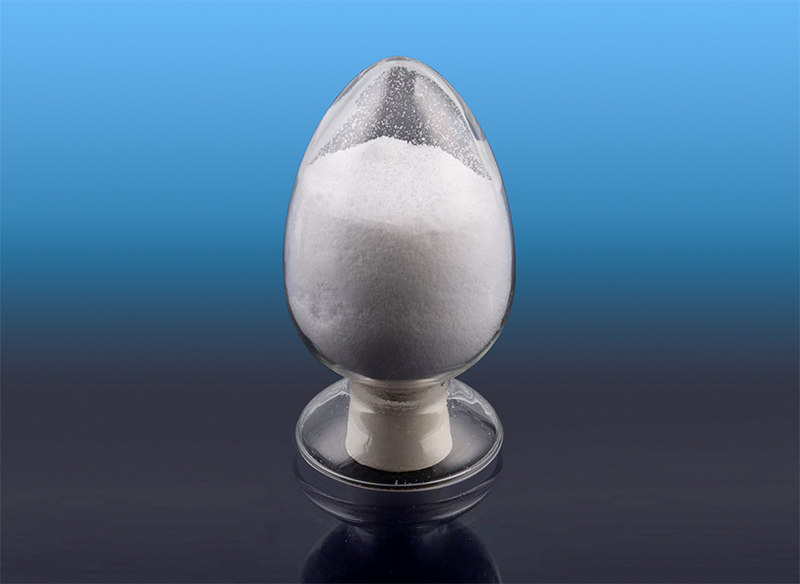
SEBS lässt sich leicht mit Polyolefinen – insbesondere Polypropylen (PP) und Polyethylen (PE) – mischen, um Verbindungen mit verbesserter Härte, Wärmebeständigkeit und Verarbeitungseigenschaften im Vergleich zu reinem SEBS herzustellen. PP/SEBS-Mischungen gehören zu den am häufigsten verwendeten TPE-Compound-Familien und bieten einen kostengünstigen Weg zu Materialien mit Shore-A-Härtewerten von 40 bis 90 und Wärmeformbeständigkeitstemperaturen, die für Anwendungen im Automobilinnenraum geeignet sind. SEBS wird auch mit Polystyrol gemischt, um die Härte und Steifigkeit zu erhöhen, und mit Polycarbonat, um transparente, schlagfeste Verbindungen für optische und Unterhaltungselektronikanwendungen herzustellen.
Ölverlängerung
Weißes Mineralöl (paraffinisches Prozessöl) ist das am häufigsten in SEBS-Formulierungen verwendete Streckmittel. Öl macht den Polyethylen-Butylen-Mittelblock selektiv weich, verringert die Härte, verbessert die Flexibilität bei niedrigen Temperaturen und senkt die Verbundkosten, ohne die UV-Beständigkeit oder thermische Stabilität wesentlich zu beeinträchtigen. Ölverlängerte SEBS-Compounds mit Shore-A-Härtewerten von nur 10 bis 20 werden in ultraweichen Anwendungen wie Babyprodukten, medizinischen Gelpads und therapeutischen Geräten verwendet. Die Ölbeladung kann je nach gewünschtem Weichheitsgrad zwischen 50 und über 200 Teilen pro Hundert Kautschuk (phr) liegen, was den Compoundeuren einen extrem breiten Härteabstimmungsbereich innerhalb eines einzigen Basispolymersystems bietet.
Funktionelles Additiv
SEBS-Formulierungen enthalten eine Reihe funktioneller Additive, um spezifische Anwendungsanforderungen zu erfüllen. UV-Stabilisatorpakete – einschließlich gehinderter Amin-Lichtstabilisatoren (HALS) und UV-Absorber – verlängern die Lebensdauer im Außenbereich über die bereits ausgezeichnete inhärente UV-Beständigkeit von SEBS hinaus. Flammhemmende Additive, insbesondere halogenfreie Systeme auf Basis von Aluminiumtrihydrat oder Magnesiumhydroxid, ergeben Verbindungen, die den Standards UL 94 V-0 und IEC 60332 für Draht- und Kabelisolierungsanwendungen entsprechen. Antimikrobielle Wirkstoffe werden in Qualitäten für den medizinischen und Lebensmittelkontakt eingearbeitet, um die mikrobielle Besiedlung der Oberfläche zu reduzieren. Antistatische Additive verhindern die Ansammlung statischer Aufladung bei Verpackungen elektronischer Komponenten und Reinraumanwendungen.
Hauptanwendungsbereiche von SEBS branchenübergreifend
Die Kombination der inhärenten Eigenschaften von SEBS und seiner Flexibilität bei der Formulierung hat zu seiner Einführung in einem außergewöhnlich breiten Spektrum von Endverbrauchsmärkten geführt. In jedem Sektor geht SEBS auf Leistungsanforderungen ein, die alternative Materialien nicht so effektiv oder wirtschaftlich erfüllen können.
Medizin und Gesundheitswesen
SEBS ist eines der bevorzugten Materialien für medizinische Schläuche, Spritzenkomponenten, Infusionsbeutelanschlüsse, Atemmasken und Patientenkontaktflächen. Seine Konformität mit der Biokompatibilität USP Klasse VI und ISO 10993, kombiniert mit seiner Transparenz, Sterilisierbarkeit durch Gammastrahlung und Ethylenoxid und der Freiheit von Weichmachermigration – ein Problem bei PVC – machen es zu einer zunehmend bevorzugten Alternative zu PVC und Latexkautschuk im Design von Gesundheitsprodukten. SEBS-Compounds in medizinischer Qualität werden ohne Phthalat-Weichmacher, Schwermetallstabilisatoren oder andere besorgniserregende Substanzen gemäß regulatorischen Rahmenbedingungen wie EU REACH und FDA 21 CFR formuliert.
Automobil
In Automobilanwendungen werden SEBS-basierte TPE-Compounds für äußere Dichtungsprofile, Soft-Touch-Innenverkleidungen, umspritzte Griffflächen an Griffen und Bedienelementen, Staubmanschetten, vibrationsdämpfende Komponenten und Motorhaubendichtungen verwendet, die eine Beständigkeit gegenüber erhöhten Betriebstemperaturen erfordern. Die Fähigkeit des Materials, direkt auf Polypropylen-Substrat aufgespritzt zu werden – wodurch eine starke Haftung ohne Grundierung erreicht wird – macht es besonders effizient für das Zweikomponenten-Spritzgießen von Innenausstattungskomponenten, die sowohl ein starres Struktursubstrat als auch eine weiche, fühlbare Oberflächenschicht erfordern.
Konsumgüter und Körperpflege
Zahnbürstengriffe, Rasierergriffe, Griffe für Küchenutensilien, Griffe für Sportgeräte, Babyschnuller, Zahnspielzeug und Gehäuse für Körperpflegegeräte gehören zu der umfangreichen Liste von Verbraucherproduktanwendungen, die SEBS verwenden. Die Weichheit, die Haptik, die Vielseitigkeit der Farben und die Einhaltung der Lebensmittelkontakt- und Spielzeugsicherheitsvorschriften des Materials – einschließlich EN 71 in Europa und ASTM F963 in Nordamerika – machen es zur Standardspezifikation für Soft-Touch- und Hautkontakt-Verbraucheranwendungen, bei denen die höheren Kosten von Silikon nicht zu rechtfertigen sind.
Draht- und Kabelisolierung
SEBS-basierte Verbindungen werden als Isolations- und Ummantelungsmaterialien für Stromkabel, Datenkabel und Spezialkabel in Anwendungen verwendet, die eine halogenfreie, flammhemmende und UV-beständige Leistung erfordern. Die Flexibilität des Materials bei niedrigen Temperaturen macht es für Kabel geeignet, die in Außeninstallationen in kalten Klimazonen verwendet werden, und seine Kompatibilität mit halogenfreien Flammschutzsystemen unterstützt die Einhaltung von Umweltrichtlinien wie EU RoHS und WEEE, die halogenierte Materialien in elektrischen und elektronischen Anforderungen.
Klebstoffe, Dichtstoffe und Beschichtungen
SEBS ist ein wichtiges Basispolymer in Schmelzhaftklebstoffen (HMPSA), dessen überlegene Alterungsbeständigkeit im Vergleich zu SBS sich direkt in Klebstoffprodukten mit längerer Haltbarkeit und besserer Leistung im Außenbereich niederschlägt. Klebstoffe auf SEBS-Basis werden in Etiketten, Klebebändern, in der Herstellung hygienischer Produkte und in Verpackungsanwendungen eingesetzt. In Dichtungsformulierungen trägt SEBS zur Elastizität und UV-Beständigkeit von Produkten bei, die für Verglasungen, Dächer und die Abdichtung von Baufugen im Außenbereich verwendet werden.
Verarbeitungsmethoden und Designüberlegungen für SEBS
SEBS und seine Compounds können mit allen wichtigen thermoplastischen Verarbeitungstechnologien verarbeitet werden, was einen erheblichen praktischen Vorteil für Hersteller darstellt, die bereits über eine Spritzguss- oder Extrusionsinfrastruktur verfügen. Jede Verarbeitungsmethode stellt spezifische Anforderungen, die bei der Materialauswahl und dem Formen- oder Gesenkdesign berücksichtigt werden sollten.
- Spritzguss: SEBS-Compounds werden je nach Härtegrad und chronischer Formulierung bei Schmelzetemperaturen von 180 °C bis 230 °C verarbeitet. Typisch sind Formentemperaturen von 20°C bis 40°C. Die hohe Schmelzviskosität des Materials bei niedrigen Schergeschwindigkeiten erfordert eine sorgfältige Anschnittkonstruktion und einen angemessenen Einspritzdruck, um eine vollständige Füllung der Kavität ohne kurze Schüsse oder Verbindungsfehler in komplexen Geometrien zu gewährleisten.
- Extrusion: Bei der Profilextrusion und Schlauchextrusion von SEBS-Compounds werden Massetemperaturen von 170 °C bis 220 °C mit Einschneckenextrudern mit Barriere- oder Mischschnecken verwendet. Bei der Düsenkonstruktion muss die besondere Düsenquellung des Materials im Vergleich zu handelsüblichen Polyolefinen berücksichtigt werden, was eine Reduzierung der Düsenspaltabmessungen im Vergleich zum angestrebten Extrudatquerschnitt erforderlich ist.
- Zweikomponenten-Umspritzung: SEBS-Compounds verbinden sich beim Umspritzen direkt mit Polypropylen- und Polyethylen-Substraten, ohne dass Haftvermittler erforderlich sind, vorausgesetzt, die Substratoberfläche ist sauber und die Prozessparameter sind optimiert, um eine ausreichende Grenzflächenverschmelzung zu ermöglichen. Die Haftung auf technische Kunststoffe wie ABS, PC und Nylon ist gering und erfordert möglicherweise die Verwendung haftvermittelnder Verbindungsschichtverbindungen oder einer Oberflächenbehandlung des Substrats.
- Lösungsverarbeitung: SEBS löst sich leicht in aromatischen Lösungsmitteln wie Toluol und Xylol sowie in aliphatischen Lösungsmitteln wie Cyclohexan und ermöglicht so lösungsbasierte Beschichtungs-, Tauch- und Klebstoffauftragsanwendungen. Die Lösungsviskosität wird durch die Anpassung der SEBS-Konzentration, der Lösungsmittelauswahl und der Temperatur gesteuert, sodass das gleiche Basispolymer für eine Reihe von Beschichtungsdicken und Abdeckungsanforderungen verwendet werden kann.
Das Trocknen von SEBS-Compound-Pellets vor der Verarbeitung wird für Sorten empfohlen, die hygroskopische Zusatzstoffe oder Füllstoffe enthalten, obwohl reines SEBS selbst eine geringe Feuchtigkeitsempfindlichkeit aufweist. Das Vortrocknen bei 70 °C bis 80 °C für 2 bis 4 Stunden in einem Entfeuchtungstrockner ist Standardpraxis für medizinische und optische Verbindungen, bei denen Oberflächendefekte durch Feuchtigkeitsverdampfung während der Verarbeitung nicht akzeptabel sind. Durch die ordnungsgemäße Lagerung von SEBS in versiegelten Behältern fern von UV-Licht, Hitze und Verunreinigungen bleiben seine Eigenschaften und Verarbeitbarkeit über längere Zeiträume erhalten und unterstützen so eine effiziente Bestandsverwaltung in Produktionsumgebungen.